Artist · 1993—2013
Die Engineers
Noisy, melodic hard pop from Bremen — moving from expansive midtempo songs to sharp pop hooks and forceful punk eruptions without losing its direction.
Sound
Punk and rock in a changing line-up, with roots in 1980s wave. Founding members: Michael Keuth and Lars Westermann.
Line-up
- Michael Keuth
- Vocals and keys
- Lars Westermann
- Guitar and bass
- Malte Wagner
- Guitar · 2001—2008
- Stephan Gieseke
- Guitar and drums · 2008—2013
- Dirk Cederberg
- Bass · 1995—1998
- Hartmut Renz
- Bass · 1998—2004
- Frank Eggers
- Bass · 2004—2007
- Thilo Kirsch
- Bass · 2008
- Dennis Klein
- Bass · 2008—2013
- Ingmar Hennemann
- Drums · 1995—1996
- Britta “Mutze” Schäffer
- Drums · 1996—1997
- Levent Kiziltan
- Drums · 1997—2010
Archive
In pictures
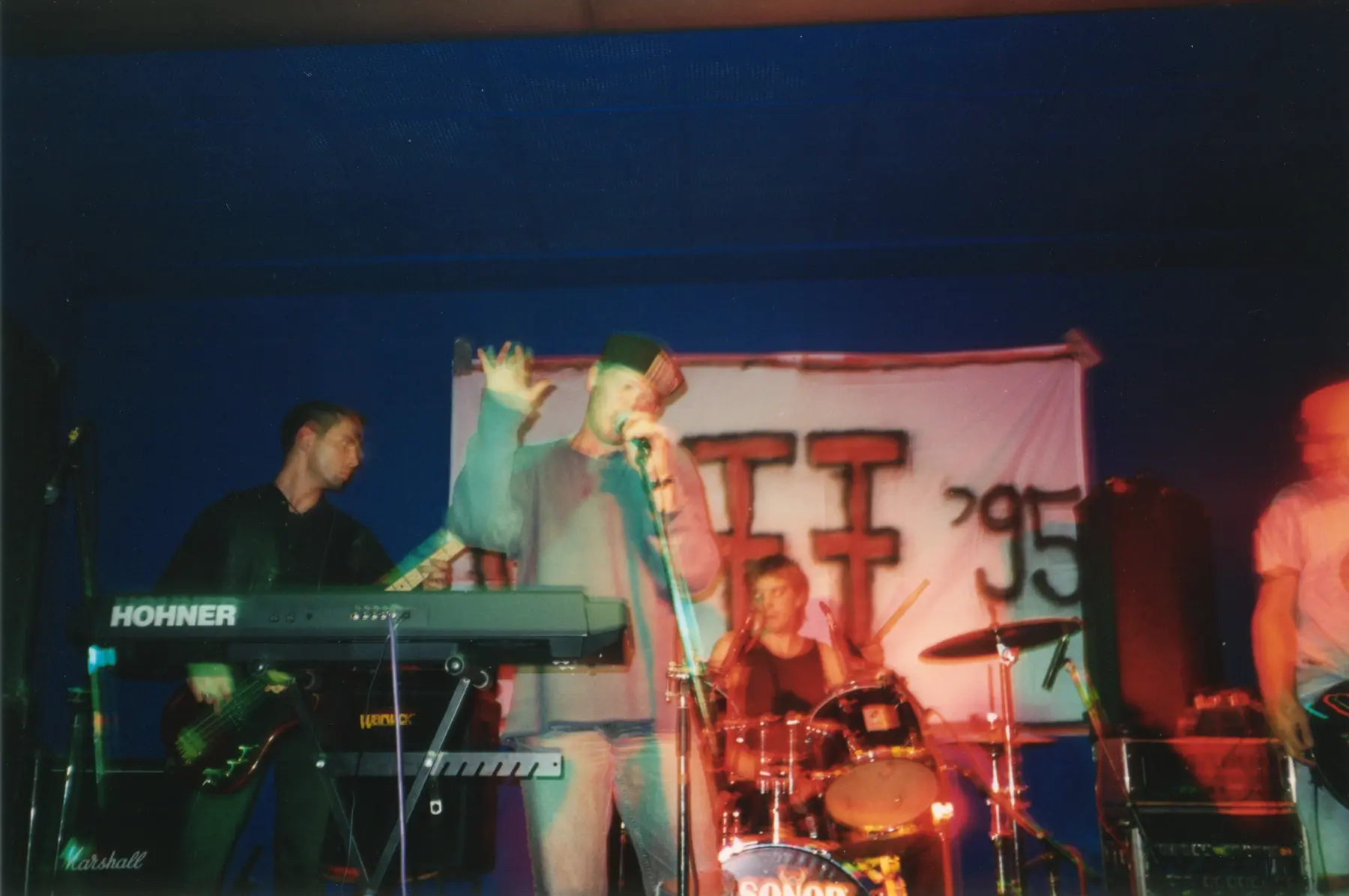
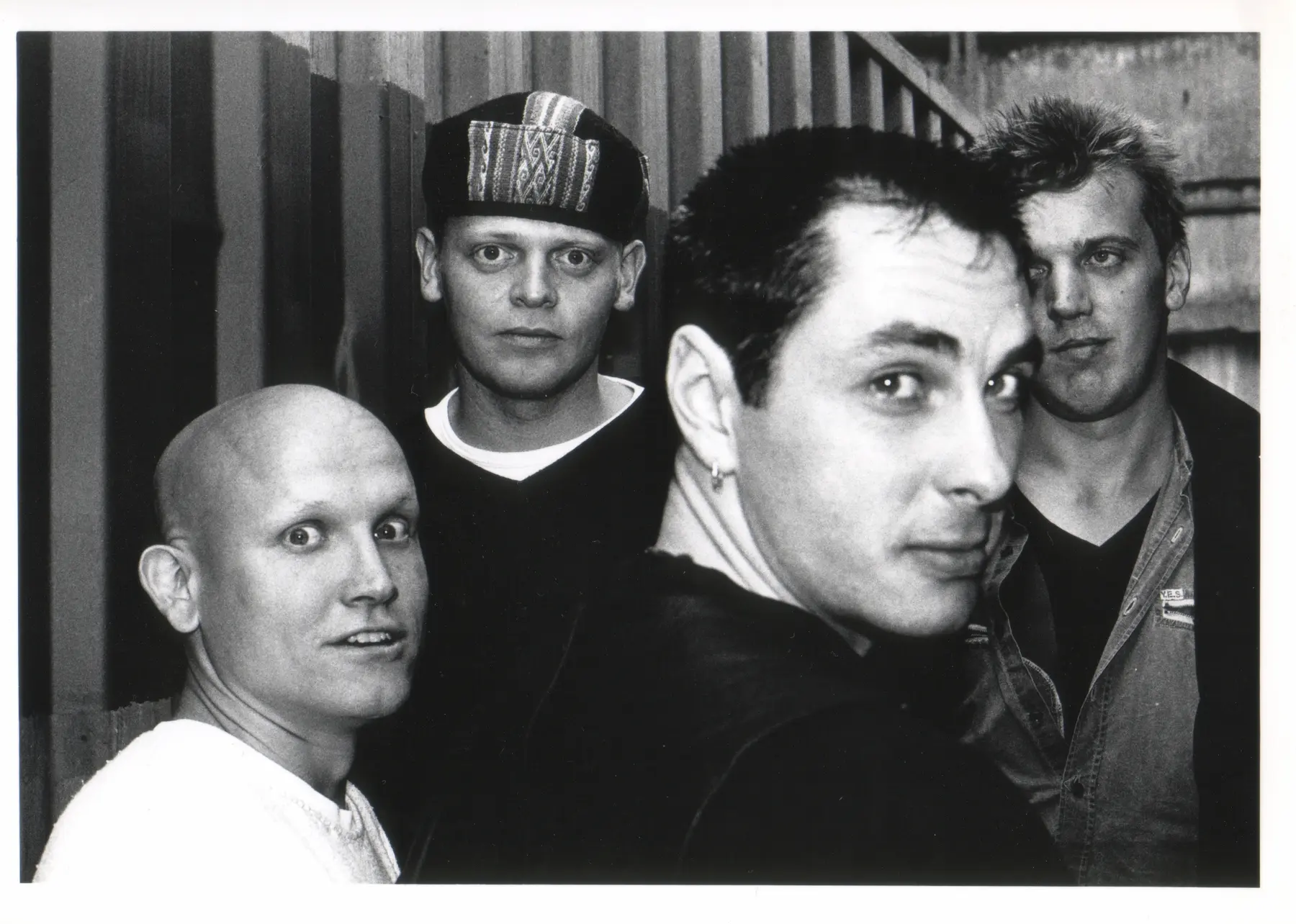
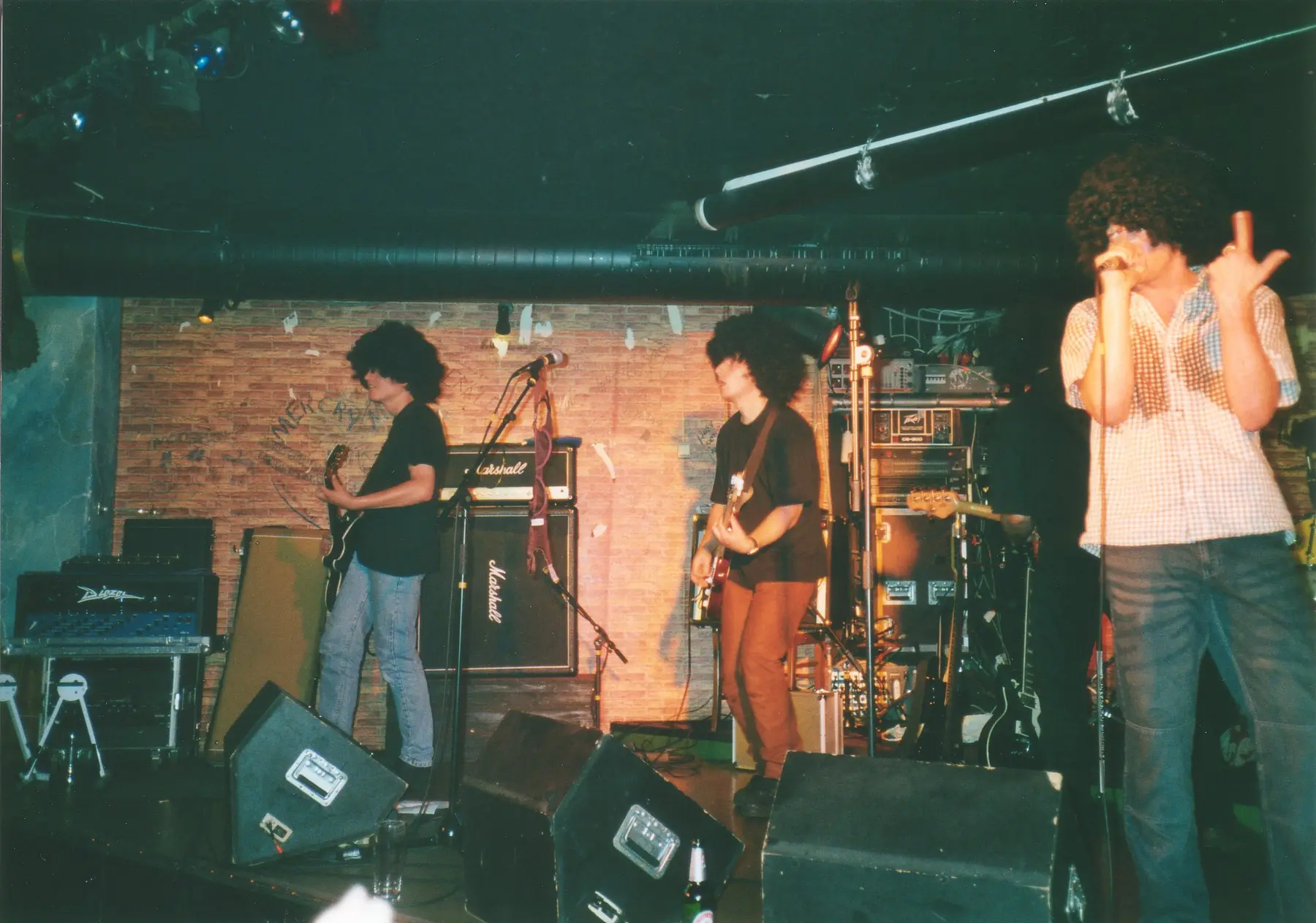
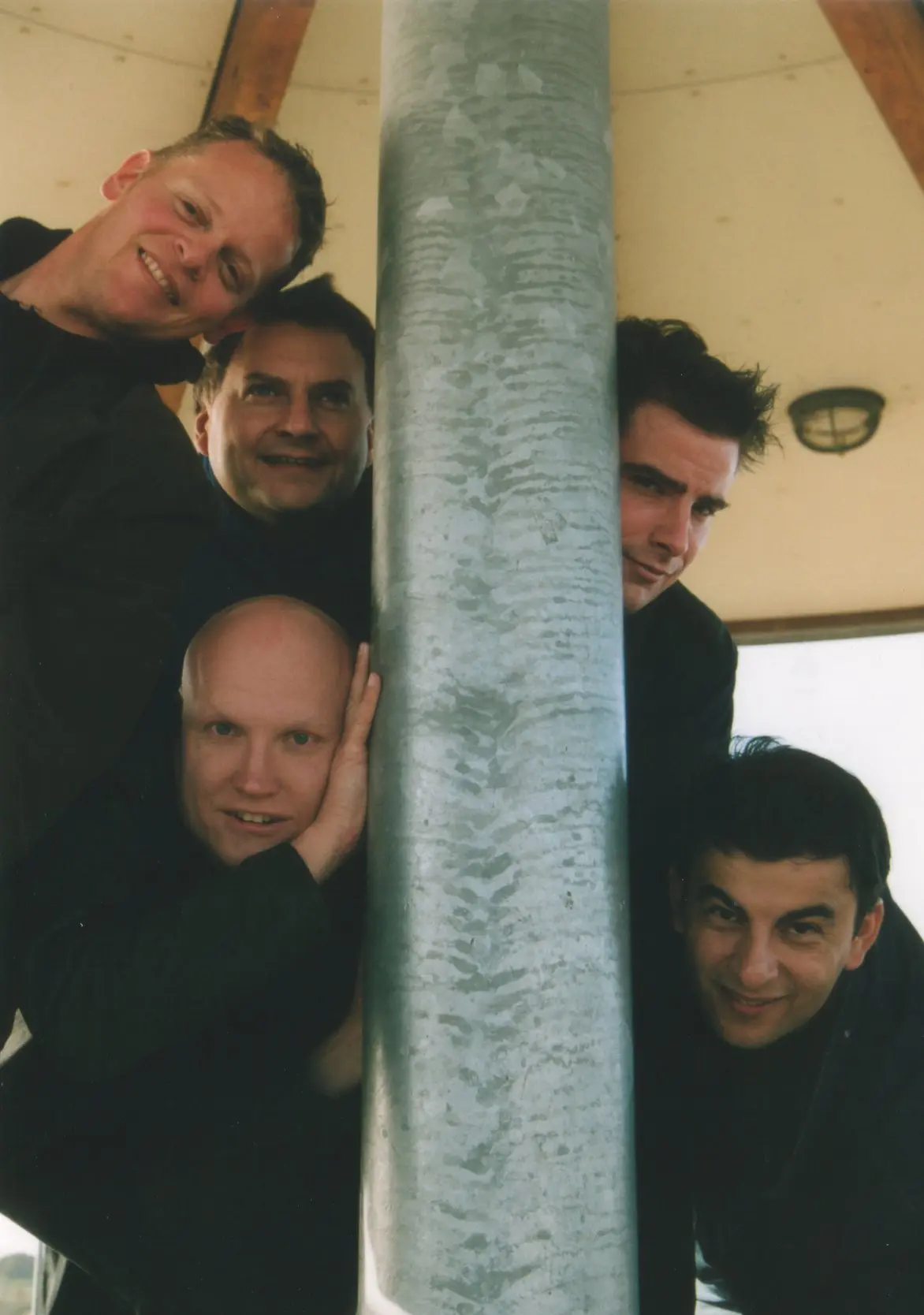
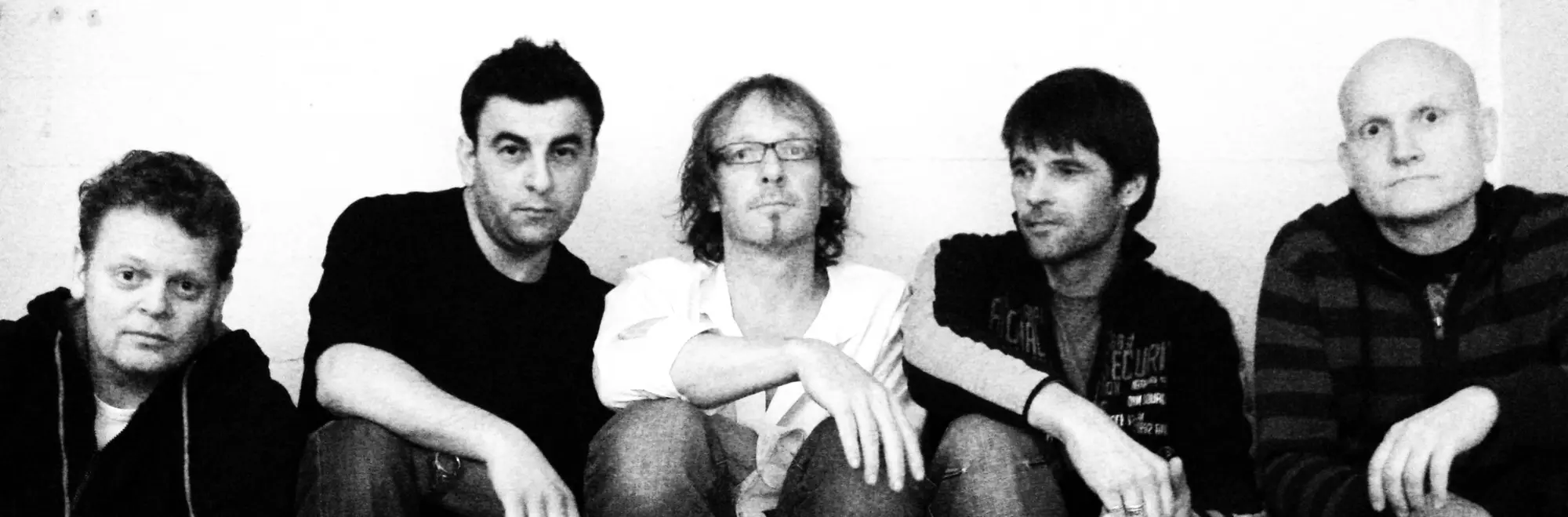
01 / Story
The autumn that started everything
Die Engineers began with “Computer W.O.O.D.Y.”, written by Lars Westermann and Michael “Meikel” Keuth for a friend and first performed with guitar, voice and drum machine. Even the origin of the name has since become part of the band’s mythology: several explanations remain, but no definitive answer.
The early songs were deliberately minimal and difficult to classify, though punk and 1980s wave were unmistakable foundations. With Dirk “Seattle” Cederberg joining on bass and Ingmar Hennemann on drums, the project became a full band and recorded its first cassette, “Join The Gumtrip”.
02 / Story
A band forged live
After promising early concerts, the band suffered a profound loss when Ingmar Hennemann died in May 1996, only days after a two-hour performance at Bremen’s Schlachthof Arena. Britta “Mutze” Schäffer stepped in temporarily before Levent Kiziltan joined in early 1997 and gave the music new momentum.
The sound became heavier and more focused. “Fracture” captured the band’s combination of melancholy, abrasive guitar, pop melody and the pressure of hardcore and heavy rock. Changes in the bass position and the arrival of additional voices and songs continued to broaden the group’s identity.
03 / Story
Hard pop without a fixed border
By the turn of the millennium, Die Engineers had grown into an energetic live band with a dedicated local audience. A second-place finish at the 2001 Mega-Soundcheck organised by the Bremer Rockmusiker association confirmed that reputation — the band missed first place by only three points.
With Malte Wagner joining as a second guitarist, concerts became increasingly physical and unpredictable. “Cold Gold” was recorded and produced independently in the rehearsal room, then mastered by SRS and brought to a wider audience through Starfish. Its songs range from punk-charged pop to direct guitar rock.
04 / Story
Change as a constant
Cover versions transformed into the unmistakable Die Engineers sound remained a regular part of the live programme. The band also explored a quieter side through successful acoustic sets in 2003 and 2004.
Line-up changes continued throughout the following years, with new bassists, guitarists and drummers entering the story. What remained constant from 1993 to 2013 was the partnership of founding members Michael Keuth and Lars Westermann — and a musical language that could move between epic, melodic and abrasive within a single set.